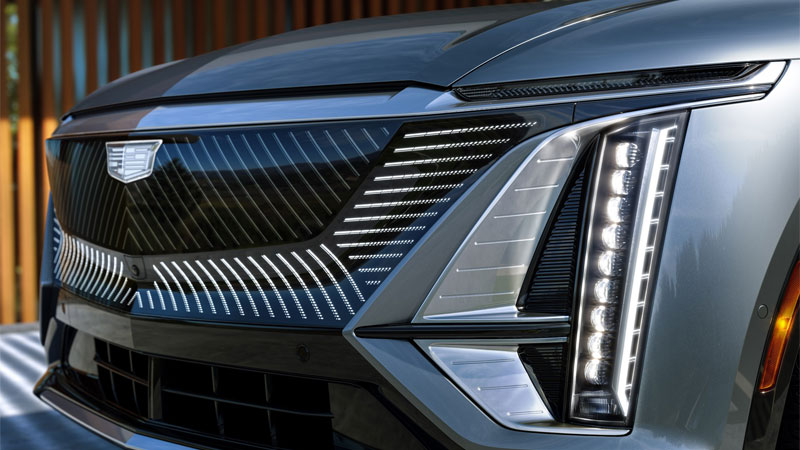
Electric vehicle manufacturer Tesla Motors has been a pacesetter when it comes to lithium-ion powered cars, but with one important caveat: only the rich can afford their $109,000 Tesla Roadster. Even as a second model is being planned (Tesla S), a six- or seven-passenger sedan expected to retail for close to $57,000 when it goes on sale in 2011 or 2012, only people who currently purchase BMW, Mercedes and Lexus models will be able to afford these pricey cars.
Mass Produced Tesla Model
Now, Tesla Motors says that they plan on mass producing a third model that should retail for just under $30,000 thanks to a $465 million low interest loan from the U.S. Energy Department. Expected to go on sale in 2016, the unnamed Tesla vehicle could help the automaker expand from the exotic car segment to a family friendly, budget preserving segment.
For certain, the Tesla Roadster hasn’t been much of a seller yet. Just over 700 cars have been produced on a Heath, UK assembly line, a facility that also builds Lotus models. Tesla is looking at a California facility for the Tesla S, a model that may sell as many as 20,000 units annually, thanks in part to a $7500 federal rebate.
Recently, Tesla announced that the company was investing $100 million to open up a powertrain plant to be located on the grounds of the Stanford Research Park; the company is currently looking at several sites in Southern California for its manufacturing base. Tesla also made it known that it isn’t interested in NUMMI, the former joint Toyota-GM venture that is slated to close down next Spring.
Extended Range Helps Tesla
Despite its high price, the Tesla Roadster has a strong advantage when it comes to range, able to travel as far as 244 miles on a single charge. This compares to about one hundred miles for the upcoming Nissan and proposed Coda Automotive models or to the Chevy Volt which will travel some forty miles before a small gas engine kicks in to extend its range.
The Tesla S is expected to be offered with several different battery range options of 160-, 230- and 300-miles. Tesla is engineering the “S” to allow owners to swap out batteries as needed which means that a buyer could choose the shorter range battery when ordering their car, but rent a larger range battery if needed. No word yet on what sort of battery option would be made available for the third Tesla model.
Source: Automotive News
It took approximately ten years to sell one million hybrid vehicles in the US, a number that is probably far below what advocates envisioned when the technology began to be mass marketed in the late 1990s. Back then, Honda and Toyota had the market to themselves, with few competitors on the horizon. Even today the two automakers sell far more hybrid models then their competitors, but that may soon change.
The Advancement of Hybrid Technology
Hybrid technology has been picked up by Ford who five years ago introduced its Ford Escape Hybrid and has since expanded to include a Ford Fusion Hybrid in the mix. GM and Chrysler have each jumped in while Volkswagen is leaning on its clean diesel technology to provide an alternative to gas powered vehicles.
Carlos Ghosn who is chairman and chief executive officer for both Renault and Nissan aims to be the first automaker to mass produce electric cars. While at least one Chinese automaker, BYD, is already producing electric vehicles as is Tesla Motors and soon, Fisker Automotive, Nissan says that it plans to put its first electric model on the market next year.
Not A Chevy Volt: Cheaper
According to the International Business Times, Nissan will roll out a model in 2010, at a price that makes ’sense’ to the consumer. Ghosn pointed out that the GM Volt (Chevrolet Volt) will cost about $40,000 which is too high given that consumers can purchase an oil powered car for $15-20,000.
Quoting Mr. Ghosn: “Somebody’s got to invest massively and bring to the market zero emission cars, and we think we can do it,” Ghosn told CNBC in an interview from Tokyo. “We have the batteries and we are at the point where within 2010, cars that we will be putting in the U.S. market will be totally attractive to the consumers.”
Consolidation Underway in the Auto Industry
Ghosn also noted that the global auto industry is in a position to consolidate, pointing out that Fiat and Chrysler are in talks while other automakers are collaborating on technology. For example, last year BMW and Mercedes agreed to share some components, a step that some suggest will lead to the German arch-rivals eventually merging. Though that move could be many years off it could be pushed forward if economic forces create a sense of urgency.
With the world embroiled in a deep recession, further moves to join companies together could be on the horizon.
See Also — Nissan Poised to Eliminate Jobs, Transfer Production
Tags: Carlos Ghosn, Chevrolet Volt, Chevy Volt, Chrysler, electric cars, electric vehicles, Fiat, Fisker Automotive, Ford Escape Hybrid, Ford Fusion Hybrid, GM Volt, Honda, hybrid technology, International Business Times, Nissan, Renault, Tesla Motors, Toyota
Automotive Technology | Matt, 17 Apr 09 |
Comments (5)